
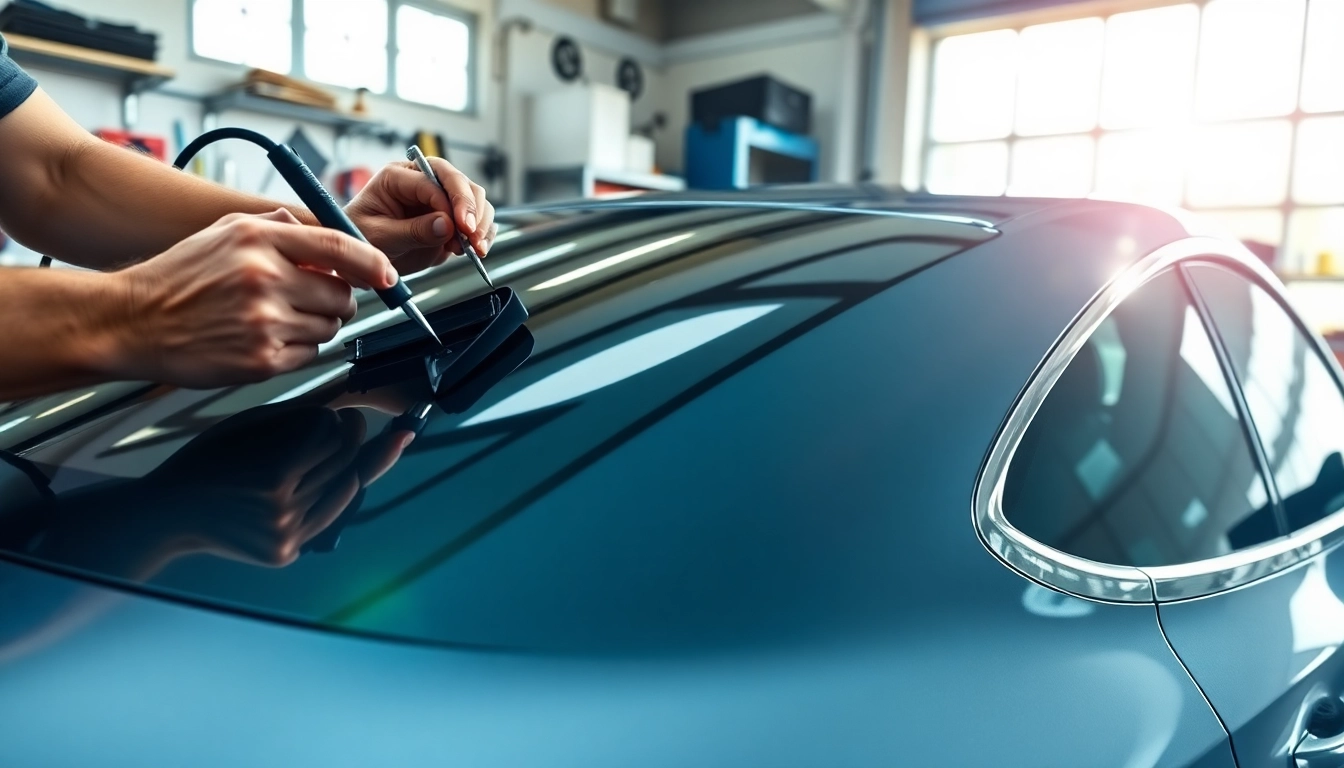
Enhancing Comfort and Protection with Ceramic Window Tint
Understanding Ceramic Window Tint
What is Ceramic Window Tint?
Ceramic window tint is a type of window film made from ceramic particles that provide superior heat rejection and UV protection. Unlike traditional dye-based tints, ceramic window tint does not contain any metal or dye. This makes it a non-conductive and non-reflective option, ensuring your windows look sleek without altering visibility. The ceramic composition allows for a clear view while providing excellent insulation against heat and harmful rays. Many car and property owners choose ceramic window tint for its durability and high performance.
Benefits of Ceramic Window Tint
Choosing ceramic window tint offers numerous advantages:
- UV Protection: Ceramic window tint blocks up to 99% of harmful UV rays, which can lead to skin damage and interior fading.
- Heat Rejection: This tint provides superior heat rejection capabilities, keeping your car or home cooler, reducing the reliance on air conditioning.
- Glare Reduction: By minimizing glare from sunlight, it enhances driving visibility and comfort.
- Durability: Ceramic window films have a longer lifespan than their dyed or metallized counterparts, resisting scratches and fading.
- Privacy: Available in various shades, ceramic tint offers an added layer of privacy without compromising visibility.
How Does Ceramic Window Tint Work?
Ceramic window tint utilizes advanced technology to reflect and absorb solar energy. Its composition includes nano-ceramic particles which effectively filter out infrared rays, blocking heat while allowing light to pass through. This feature is particularly beneficial for vehicle owners, as it minimizes heat buildup within the cabin. As a result, your vehicle remains cooler without the need for excessive air conditioning usage, ultimately saving energy and improving comfort levels.
Choosing the Right Ceramic Window Tint
Factors to Consider When Selecting a Tint
When selecting the right ceramic window tint, consider the following factors:
- Visible Light Transmission (VLT): This measures how much light the tint allows in. Depending on your preference and local laws, you’ll want to choose a VLT that fits your needs.
- Heat Rejection Rates: Look for films with high heat rejection percentages to maximize comfort.
- UV Protection: Ensure that the tint blocks a substantial percentage of UV rays.
- Warranty: A longer warranty often indicates higher quality. Look for products that offer extensive protection against fading or bubbling.
- Brand Reputation: Research established brands with positive customer reviews to ensure you’re selecting a reputable product.
Comparing Different Types of Window Tints
There are various types of window tints available, each with its pros and cons:
- Dye-Based Tints: These are the most affordable but fade over time and offer reduced UV protection.
- Metalized Tints: These films include metal particles, enhancing UV blocking and heat rejection but can interfere with electronics.
- Ceramic Tints: The best overall choice as they provide high heat rejection, superior UV protection, and are scratch-resistant.
Understanding Tinting Laws and Regulations
Before choosing a ceramic window tint, it’s crucial to familiarize yourself with your local tinting laws. Regulations often dictate the maximum allowable VLT percentage, especially for vehicles. Ensure that you comply with these laws to avoid fines or the need for removal. Checking local guidelines can provide clarity and prevent potential legal issues.
Professional vs. DIY Ceramic Window Tint Installation
Pros and Cons of Professional Installation
Opting for professional installation comes with its own set of advantages and disadvantages:
- Pros: Professionals have experience, ensuring a flawless application, reducing the chance of bubbles or wrinkles, and often providing a warranty on their work.
- Cons: It can be more expensive than a DIY approach, depending on labor costs and the type of tint chosen.
DIY Installation: Tips and Precautions
If you decide to install the tint yourself, follow these tips for a successful application:
- Gather Necessary Tools: Ensure you have all the required tools, including a squeegee, utility knife, measuring tape, and cleaning supplies.
- Prepare the Glass: Thoroughly clean the windows to remove dirt and grease before application.
- Practice Patience: Take your time to measure and cut the film accurately.
Common Mistakes to Avoid During Installation
To ensure a successful DIY installation, be aware of these common pitfalls:
- Rushing the Process: Take your time to avoid misalignment or bubbles.
- Inadequate Cleaning: Failing to properly clean the glass can result in imperfections in the finished look.
- Ignoring Manufacturer Guidelines: Always follow the tint manufacturer’s instructions for the best results.
Maintaining Your Ceramic Window Tint
Cleaning Tips for Longevity
To maintain the appearance and longevity of your ceramic window tint, follow these cleaning tips:
- Use Gentle Cleaners: Avoid ammonia-based cleaners which can damage window tint. Opt for a mix of mild soap and water instead.
- Soft Cloths Only: Use microfiber cloths for cleaning to prevent scratches and wear.
- Regular Maintenance: Clean windows regularly to prevent buildup of dirt and grime.
Signs Your Tint Needs Replacement
Ceramic window tint can last a long time, but certain signs indicate it may need to be replaced:
- Fading: Noticeable color fading can signal a decline in performance.
- Bubbles or Peeling: These issues can arise from poor installation or prolonged exposure to heat.
- Discoloration: If the tint looks uneven or discolored, it might be time for a change.
How to Protect Your Investment
To ensure the longevity of your ceramic window tint, invest in proper protection measures. Consider applying a window film protective coating that enhances UV resistance and prevents scratches. Additionally, park in shaded areas or use sunshades when possible to limit prolonged sun exposure. Regular maintenance cleaning will also go a long way in preserving the look and performance of your investment.
Frequently Asked Questions About Ceramic Window Tint
What is the lifespan of ceramic window tint?
Ceramic window tint typically lasts 10-15 years with proper care, resisting fading and peeling.
Does ceramic window tint block UV rays?
Yes, ceramic window tint effectively blocks up to 99% of harmful UV rays, protecting your skin and interiors.
Can ceramic window tint reduce heat inside my vehicle?
Absolutely, ceramic window tint significantly reduces heat buildup, creating a more comfortable driving experience.
Is ceramic window tint easy to clean?
Yes, simply use mild soap and water or a dedicated tint cleaner for best results without damaging the tint.
Does ceramic window tint change the appearance of my windows?
Ceramic window tint offers a sleek, premium look without altering the visibility, keeping your windows stylish.

Related Posts
