
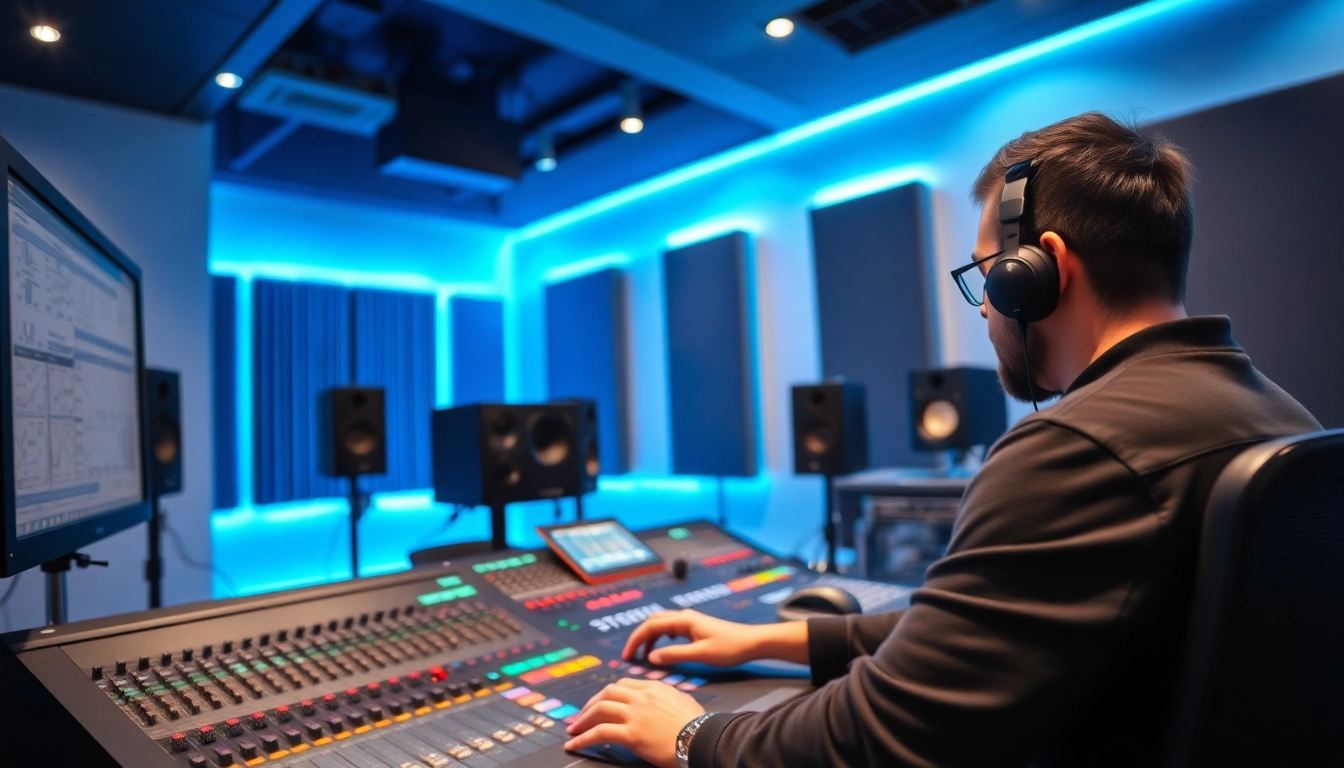
Mastering Quality Sound: The Essentials of Online Audio Mastering
The Importance of Online Audio Mastering
As music production technology continues to evolve, the need for high-quality production standards has never been more vital. One crucial aspect of achieving a polished sound is mastering, a process that ensures your music has the right balance, loudness, and clarity. In today’s digital landscape, online audio mastering has become an accessible and efficient solution for musicians and producers alike.
Why Mastering Matters for Your Music
Mastering is the final step in the music production chain, acting as a bridge between mixing and distribution. It enhances your track’s overall quality by refining tonal balance, dynamics, and loudness among various playback systems. Proper mastering can turn a good mix into a great one, ensuring it competes effectively with professionally mastered tracks across all platforms. Additionally, mastering helps unify the sound across an entire album, creating a cohesive listening experience.
Key Benefits of Online Audio Mastering
- Accessibility: Musicians and producers can access high-quality mastering services from anywhere, allowing collaboration with experienced engineers regardless of geographic location.
- Cost-Effectiveness: Online services often provide more affordable rates than traditional studios, making professional mastering accessible for independent artists.
- Speed: Many online platforms streamline the process, allowing you to receive your mastered tracks within a few days or even hours.
- Multiple Formats: With online mastering services, you can receive files ready for various platforms, ensuring your music sounds its best on streaming services, CD, and vinyl.
Common Misconceptions About Mastering
Despite its importance, several misconceptions about mastering persist:
- It’s only about loudness: While achieving the correct loudness is part of mastering, it encompasses more than that. It involves tonal balancing, frequency adjustments, dynamic processing, and preparing your tracks for different media.
- You can master your own tracks effectively: While some basic tools allow self-mastering, professional mastering requires a trained ear and specialized equipment. It’s challenging to maintain objectivity on your own work.
- Mastering is unnecessary for digital releases: Regardless of the distribution format, mastering ensures your music translates well across systems, providing the best possible experience for listeners.
Understanding the Online Audio Mastering Process
Step-by-Step Overview of Mastering
The mastering process can be broken down into several key steps, allowing for a systematic approach to finalizing your music:
- Preparation: This involves ensuring your mix is at an appropriate level, has energy, and is free from any unnecessary effects or noises.
- Equalization (EQ): Here, frequencies can be adjusted to enhance the track’s tonal characteristics, making it sound polished and aligned with industry standards.
- Dynamic Processing: Compression and limiting are used to control dynamics, ensuring that the track maintains consistent levels without losing energy.
- Spatial Enhancement: Adding stereo widening or other spatial techniques can provide depth and dimensionality, setting your track apart.
- Dithering: This is the process of adding noise to your track to minimize distortion when converting bit depths, ensuring clarity in the final file.
Essential Tools and Software Used
Online mastering services utilize various tools and software to achieve the desired sound. The following tools are commonly employed:
- DAWs (Digital Audio Workstations): Software like Pro Tools, Logic Pro, and Ableton Live allows for detailed audio editing and mastering tasks.
- Mastering Plugins: High-end mastering plugins, such as iZotope Ozone or Waves plugins, are often used to refine both EQ and dynamic processes.
- Analyzers: Tools that visually display frequency response, stereo width, and loudness make it easier for mastering engineers to ensure well-balanced results.
The Role of Mastering Engineers
Mastering engineers play a crucial role in the final stages of music production. Their expertise lies in several areas:
- Critical Listening: Trained to identify subtle differences in frequency, dynamics, and overall sound, mastering engineers bring a fresh perspective to the tracks.
- Technical Knowledge: They understand the technicalities of various formats and ensure the final product meets industry standards for distribution.
- Creative Input: Beyond just technical skills, mastering engineers often provide creative suggestions that can elevate a track beyond its original state.
Choosing an Online Audio Mastering Service
What to Look for in a Service
When selecting an online audio mastering service, consider the following factors:
- Sample Work: Request samples of previously mastered tracks to evaluate the quality and style of their work.
- Feedback and Communication: Look for services that offer clear communication throughout the process and invite feedback.
- Turnaround Times: Understand their delivery times and whether they provide expedited services if needed.
- Revision Policies: Check if they allow revisions after the first draft, as this can significantly impact your final product.
Comparing Pricing and Packages
When comparing the costs of different online mastering services, it’s essential to evaluate what each package offers. Factors to take into account include:
- Base Price: This is typically for a standard mastering service for a single track; additional fees may apply for extra services.
- Special Offers: Look out for packages that cater to albums or multiple tracks, which can sometimes yield savings.
- Included Revisions: Ensure the package includes revisions or adjustments without extra costs.
Reading Reviews and Testimonials
Before committing to a service, check for reviews and testimonials from previous customers. Platforms like social media, specialized forums, and audio production communities provide insights into service quality and customer satisfaction. A strong reputation can be a significant indicator of reliability and artistry.
Common Challenges in Online Audio Mastering
Coping with Technical Issues
Technical difficulties can arise during the online mastering process. Common challenges include:
- File Compatibility: Ensure your audio files are in the correct format and quality before submission to avoid technical delays.
- System Latency: When sending and receiving files, internet speed can be a factor. Optimize your digital workflow for efficient file transfers.
- Audio Quality: Make sure that the final mixes you provide are of the highest quality to get the best results during mastering.
Ensuring Consistent Quality Across Platforms
One of the prime challenges of mastering is ensuring the music maintains its quality irrespective of playback method. Tips include:
- Testing on Various Devices: Always listen to your mastered tracks on different devices, such as headphones, small speakers, and professional monitors.
- Understanding Platform Specifications: Familiarize yourself with the loudness standards of platforms like Spotify, Apple Music, and Tidal to optimize your mastering for each.
Balancing Dynamics and Loudness
Mastering professionals often face the challenge of finding the right balance between loudness and dynamic range. Here’s how to ensure a successful approach:
- A/B Comparison: Regularly compare your track to reference tracks to establish the right loudness while preserving dynamics.
- Use of Metering Tools: Employ metering tools to visually track loudness levels, helping you achieve the ideal balance between loud and soft passages.
Improving Your Skills in Audio Mastering
Resources for Learning and Growth
Continuous education is vital in mastering. Look for these resources to enhance your skills:
- Online Courses: Many learning platforms offer courses specifically on mastering techniques.
- YouTube Tutorials: Numerous professional audio engineers share mastering tips and tricks on their channels.
- Books on Mastering: Reading literature on audio production helps provide foundational and advanced knowledge.
Practicing with Different Genres
Broadening your mastering skills across various genres is essential. Practice by:
- Working on Diverse Projects: Volunteer to master tracks for friends or local artists in different musical styles.
- Understanding Genre Norms: Each genre has its characteristics; immerse yourself in them to tailor your mastering techniques accordingly.
Tips for Self-Mastering Your Tracks
If you want to self-master your tracks, consider these tips for achieving better results:
- Take Breaks: Allow your ears to rest; this helps maintain objectivity during the mastering process.
- Start with Reference Tracks: Use professionally mastered tracks as references to guide your adjustments.
- Stay Informed: Keep up to date with the latest plugins, devices, and industry trends to enhance your self-mastering process.
Frequently Asked Questions
What is online audio mastering?
Online audio mastering is the process of finalizing a music track via digital platforms, ensuring it meets professional standards for loudness, clarity, and tonal balance.
How long does online audio mastering take?
Most online audio mastering services offer turnaround times ranging from a few hours to several days, depending on the service level and complexity of the project.
Can I master my own music?
While some artists self-master their tracks, achieving professional quality often requires specialized knowledge and equipment that mastering engineers possess.
Is online mastering as good as in-studio mastering?
Online mastering can yield excellent results comparable to studio sessions if handled by experienced engineers using professional tools. Quality hinges on expertise.
What formats should I submit for mastering?
You should submit high-quality WAV or AIFF files, typically at 24-bit/48kHz or higher, to ensure optimal results during the mastering process.