
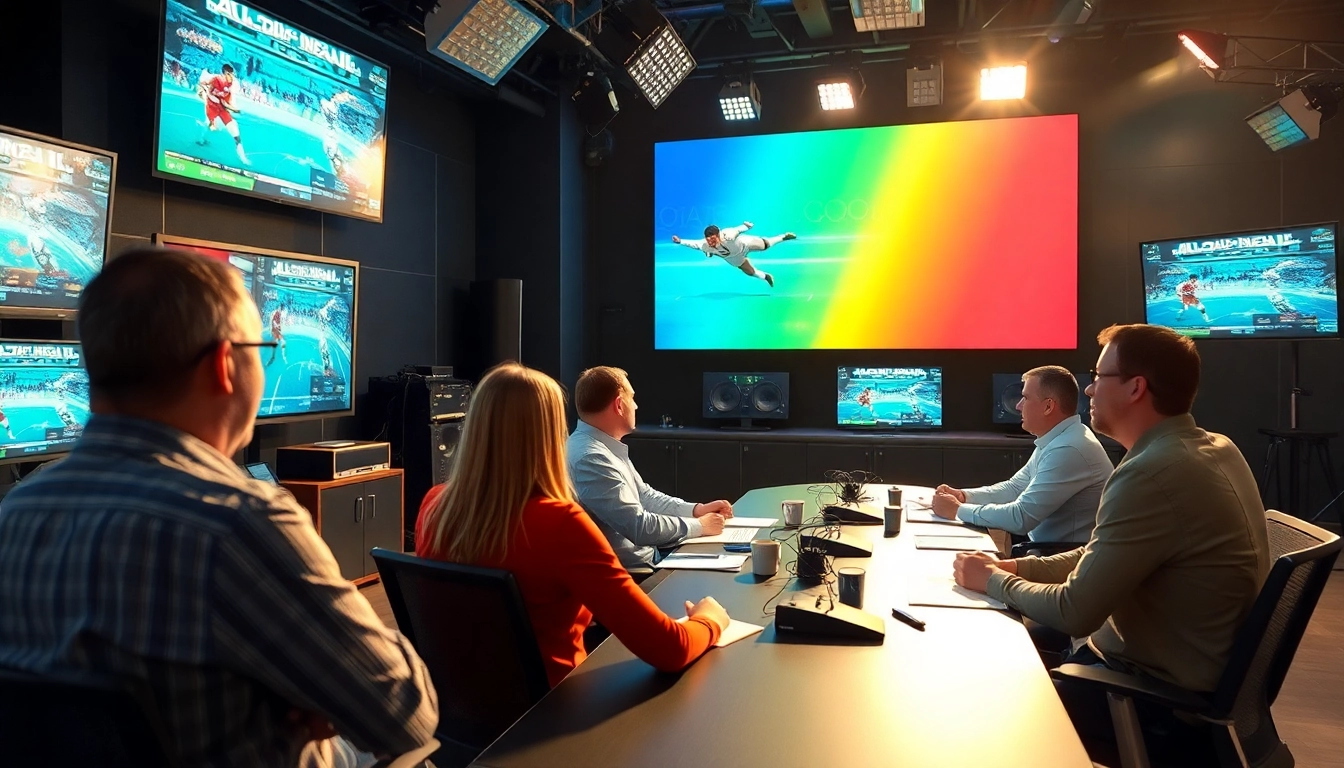
Mastering Sports Broadcasting: Strategies for Engaging Audiences
Understanding the Basics of Sports Broadcasting
What is Sports Broadcasting?
Sports Broadcasting is the dissemination of live or recorded sports events via television, radio, or online platforms. Traditionally, it encompasses play-by-play commentary, analysis, and highlights that bring the thrill of sports to viewers worldwide. Central to its fun is the connection between the event and the audience, facilitated through various media channels. For those looking to delve deeper into the essentials of the industry, Sports Broadcasting serves as a crucial backdrop for both fans and professionals.
The Evolution of Sports Broadcasting
Sports Broadcasting has undergone significant transformation since its inception. The journey began in the early 20th century with radio broadcasts of local games. The introduction of television in the 1930s revolutionized the sector, making sports accessible to millions of viewers. The late 20th century saw the emergence of cable networks, which allowed for niche sports coverage, while the advent of the internet in the 21st century ushered in streaming platforms that further democratized access to sports content. Today, from social media clips to virtual reality experiences, Sports Broadcasting is continually evolving to meet the demands of an ever-dynamic audience.
Core Elements of Effective Sports Broadcasting
To effectively engage an audience, several core elements must be present in any Sports Broadcasting endeavor. Key among these elements are:
- Quality Content: Events need to be captured through high-definition video and crystal-clear audio to enhance viewer experience.
- Expert Commentary: Knowledgeable commentators provide context and excitement, enriching the audience’s understanding and enjoyment.
- Engagement Tools: Real-time updates, polls, and interactive graphics can elevate the viewer experience, bridging the gap between the broadcast and the audience.
Key Components of a Successful Broadcast
Technology and Equipment Essentials for Sports Broadcasting
The backbone of any successful Sports Broadcasting outfit is its technology and equipment. Essential components include:
- Cameras: High-definition cameras with zoom capabilities allow for the best possible footage from multiple angles.
- Sound Equipment: High-quality microphones and sound mixers ensure that commentary is clear while capturing ambient sounds of the event.
- Broadcast Software: Robust software for live streaming and editing is crucial in adapting content for various platforms.
The Role of Commentators in Sports Broadcasting
Commentators are pivotal in creating an engaging experience for viewers. They provide real-time analysis, insights into player statistics, and personal anecdotes to enhance viewers’ emotional connection to the game. Their delivery style can energize a broadcast, making mundane events feel exciting while maintaining the integrity and authenticity of the sports narrative.
Importance of Graphic Design in Sports Broadcasting
Graphic design plays a vital role in Sports Broadcasting by providing informative visuals that complement audio commentary. From scoreboards to player statistics and highlights reels, effective graphic design ensures that viewers remain informed without detracting from the live action. Consistent branding and aesthetically pleasing graphics can foster viewer loyalty and enhance the overall broadcast quality.
Best Practices in Sports Broadcasting
Engaging Your Audience with Dynamic Content
Engagement is key to the success of any Sports Broadcasting effort. Dynamic content, including player interviews, behind-the-scenes footage, and fan interactions on social media, keeps the audience invested. Live reactions and fan-driven content not only enhance the broadcast but create a community around it, promoting greater loyalty and viewer retention.
Adapting to Changing Viewer Preferences
The landscape of audience preferences in Sports Broadcasting is rapidly shifting due to technological advancements and changing social norms. Understanding why viewers opt for certain platforms—such as online streaming versus traditional television—is crucial for broadcast entities. Surveys and sentiment analysis can guide how content is tailored, ensuring that it aligns with evolving tastes and expectations.
Leveraging Social Media for Enhanced Viewership
Social media platforms have become indispensable in promoting Sports Broadcasting. By sharing snippets, highlight reels, and engaging with fans in real time, broadcasters can amplify their reach and build a following. Integrating these platforms into the broadcast strategy not only drives audience growth but fosters an interactive experience that can convert casual viewers into loyal supporters.
Metrics and Performance Measurement
Analyzing Audience Engagement Data
Understanding audience engagement through data analytics is essential for gauging the success of Sports Broadcasting efforts. Metrics such as view count, average watch time, and audience retention rates provide insight into how content is being received. These data points are invaluable in adjusting strategies to deliver what audiences want and expect.
Key Performance Indicators in Sports Broadcasting
Key performance indicators (KPIs) serve as benchmarks for success in Sports Broadcasting. Critical KPIs might include:
- Viewer Retention Rate
- Social Media Engagement (likes, shares, comments)
- Growth Metrics for Audience Size
By regularly assessing these indicators, broadcasters can make informed decisions about content strategy, improvements, and resource allocation.
Using Analytics to Improve Future Broadcasts
Analytics play a pivotal role in refining future Sports Broadcasting initiatives. By examining viewer feedback, preferences, and behavior patterns, organizations can pivot their strategies to align more closely with audience expectations. This data-driven approach not only enhances the quality of broadcasts but also ensures that content remains relevant and compelling.
Future Trends in Sports Broadcasting
The Impact of Streaming Services on Sports Broadcasting
The rise of streaming services has profoundly impacted the landscape of Sports Broadcasting. With a growing preference for on-demand content, traditional broadcasters face competition that requires innovation. Collaborations with streaming platforms can lead to wider audiences and an overall revitalization of the viewing experience.
Virtual and Augmented Reality Applications
Virtual and augmented reality are on the cutting edge of Sports Broadcasting innovation. These technologies allow viewers to immerse themselves in the action like never before, offering unique perspectives and interactive experiences. As the technology advances, the potential for enhanced viewer engagement becomes limitless, fundamentally reshaping how fans experience live sports.
The Future of Engagement in Sports Broadcasting
Looking ahead, Sports Broadcasting is poised to focus increasingly on enhanced audience engagement through personalization and interactivity. Broadcasters must adapt to the diverse interests of their audiences by incorporating data analytics and AI to deliver tailored content. As the industry evolves, staying ahead with innovative strategies will be key to maintaining viewer loyalty and attracting new fans.
FAQs about Sports Broadcasting
What is the main role of sports commentators?
Sports commentators provide real-time analysis, commentary, and insights during broadcasts to enhance the viewer experience. Their expertise helps audiences understand the game’s nuances.
How has technology impacted sports broadcasting?
Technology has revolutionized sports broadcasting through advanced cameras, streaming capabilities, and interactive graphics, enriching the overall viewing experience for audiences worldwide.
What metrics are commonly used to measure broadcast success?
Common metrics include viewer retention rates, social media engagement, and total view counts. These KPIs help in evaluating the effectiveness of broadcasts.
How do streaming services affect traditional sports broadcasting?
Streaming services offer on-demand viewing and niche content, challenging traditional broadcasting models and pushing them to innovate and adapt to viewer preferences.
What trends are emerging in the future of sports broadcasting?
Emerging trends include the use of virtual and augmented reality, personalized content, and increased interactivity, aiming to enhance audience engagement and experience.
